
How to furnish a fashion trade show booth
A fashion trade show booth has three jobs: show the collection clearly, give buyers somewhere to sit down and place orders, and leave a lasting impression of the brand. Furnishing it well comes down to four things: garment rails, product displays, seating and a layout that suits the size of your booth.
Renting the furniture keeps it all flexible. You get pieces chosen for this season's collection and this booth, delivered and collected, without buying, storing and shipping furniture from one fair to the next.
NOVU creates furniture solutions and spatial environments for retail, events and showrooms, combining a flexible rental catalogue with bespoke production. Founded in Paris in 2017, NOVU has offices in New York and Paris and operates globally.
What furniture does a fashion trade show booth need?
Most fashion booths are built from the same five pieces. What changes from brand to brand is the balance between them, set by the collection and the booth size.
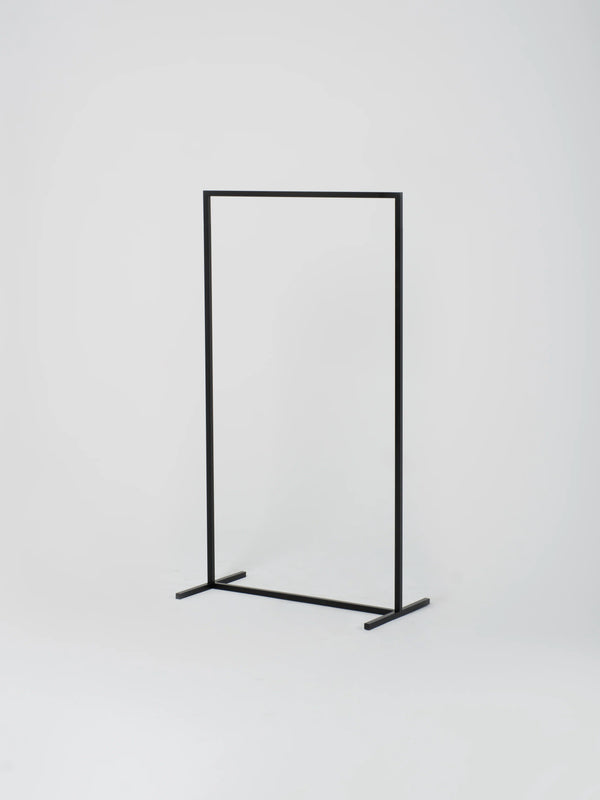
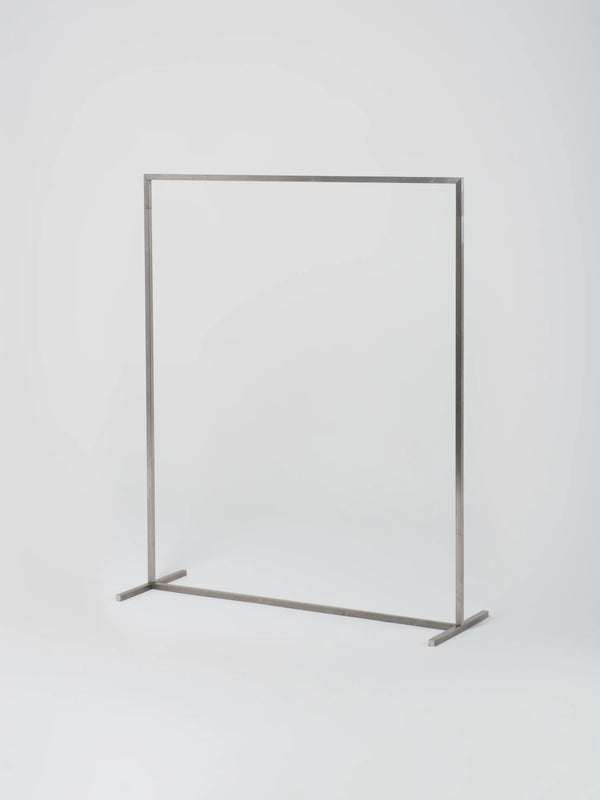
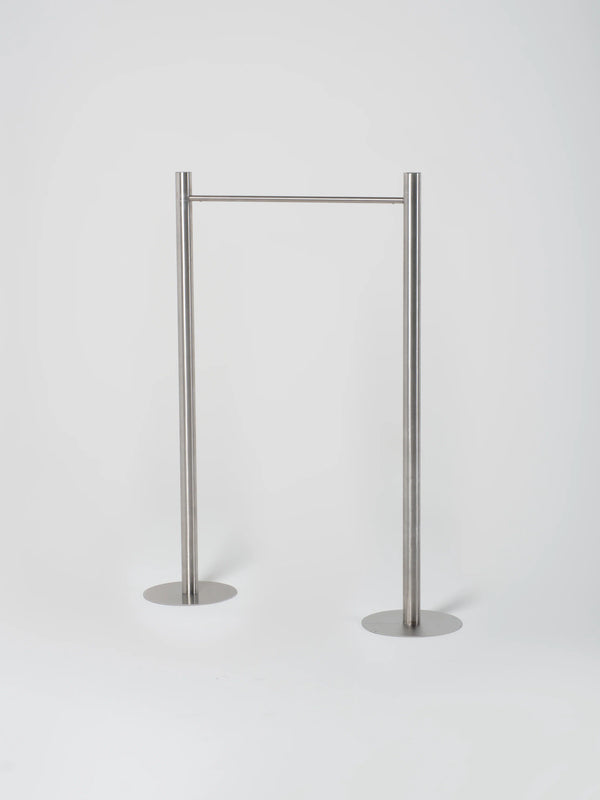
Garment rails
Present the collection by story, colour or delivery
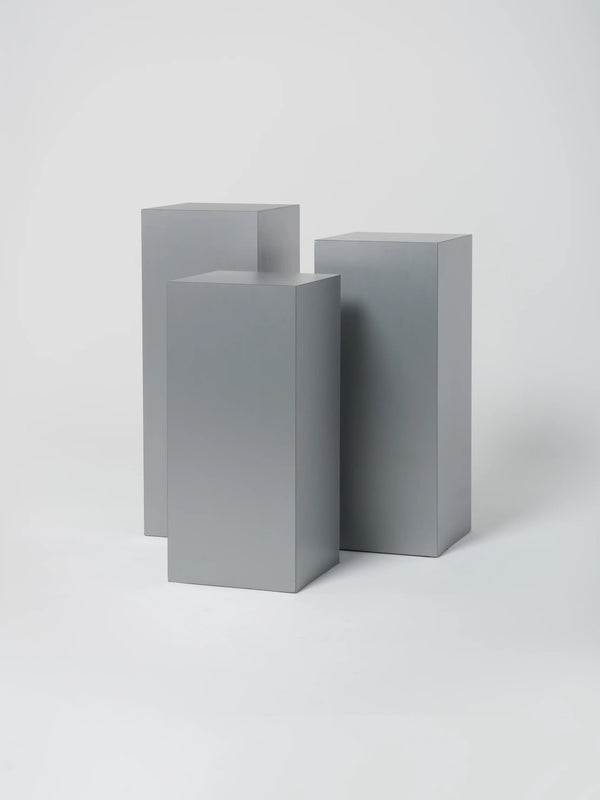
Cubes and displays
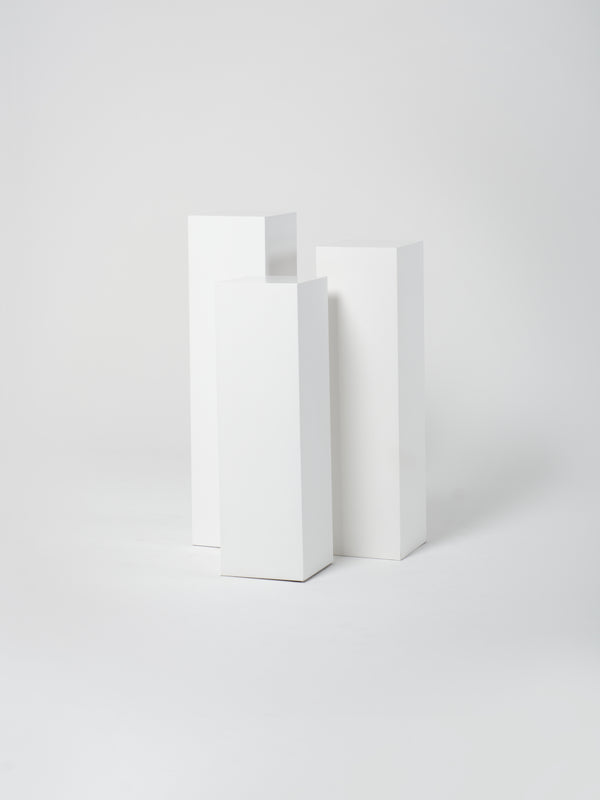
Lift accessories, footwear and bags into view

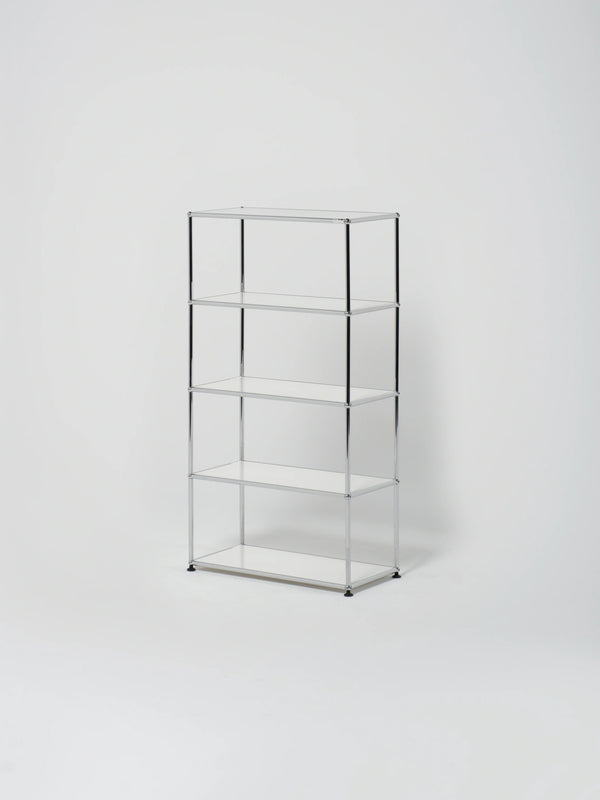
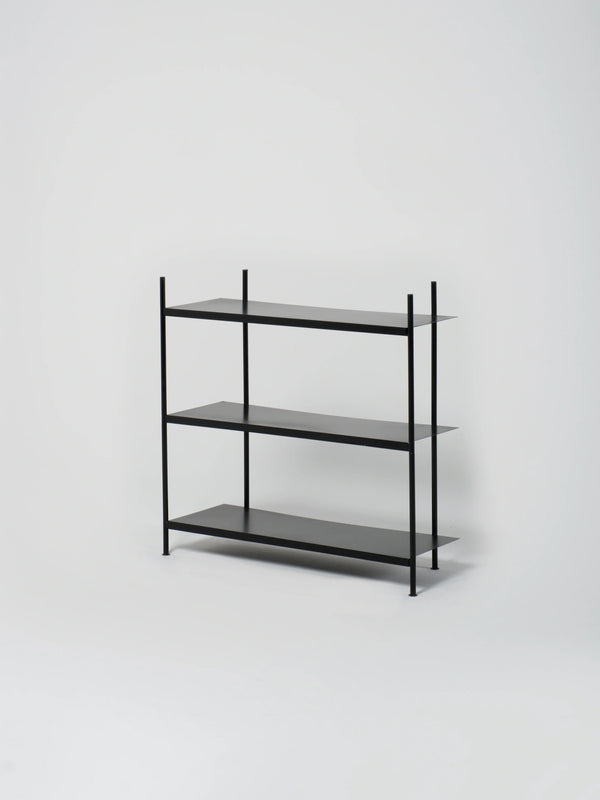
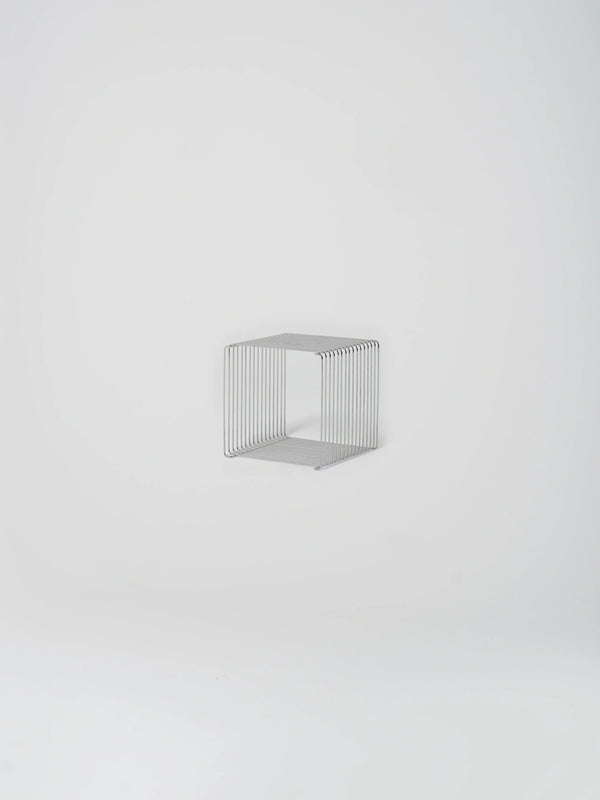
Modular shelving
Holds folded pieces, footwear and accessories
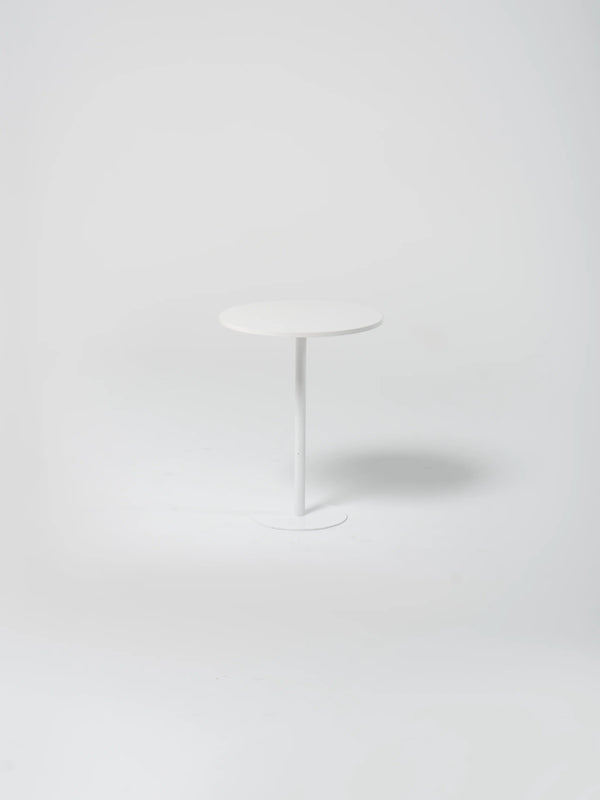
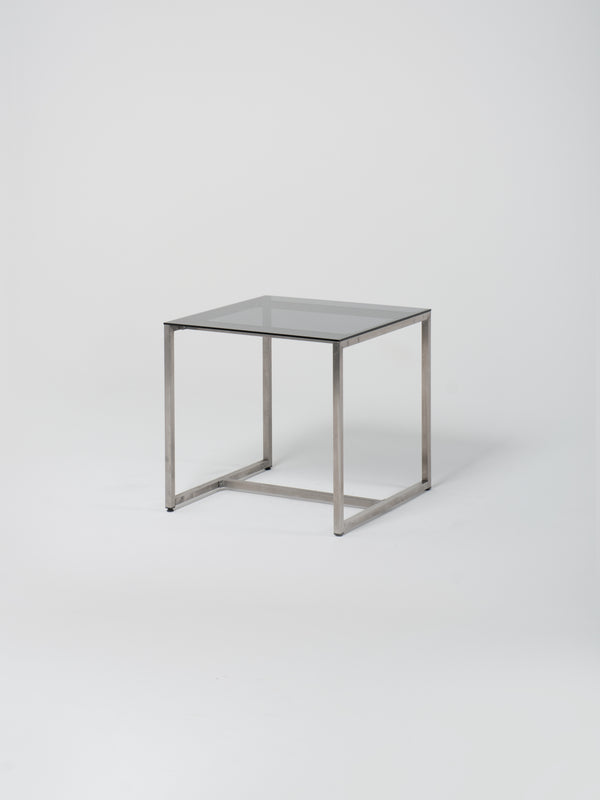
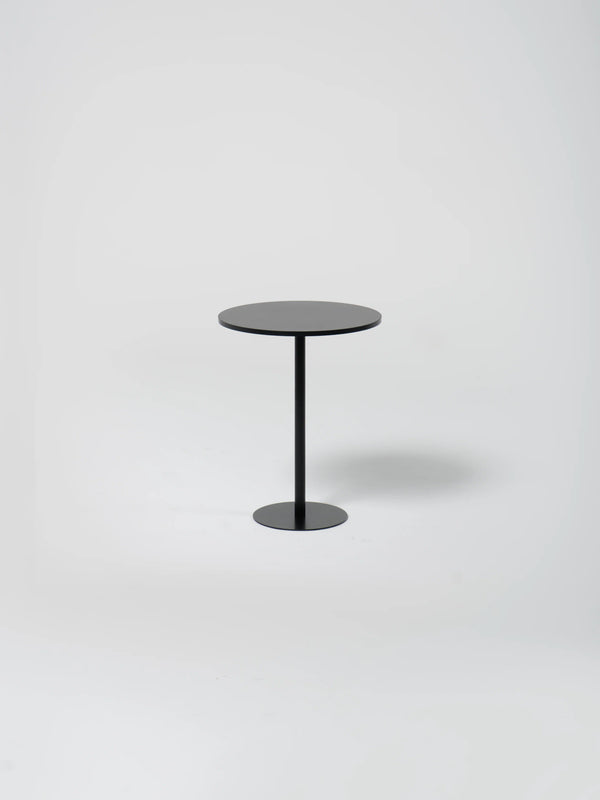
Appointment table and chairs
Where buyers review the line and place orders
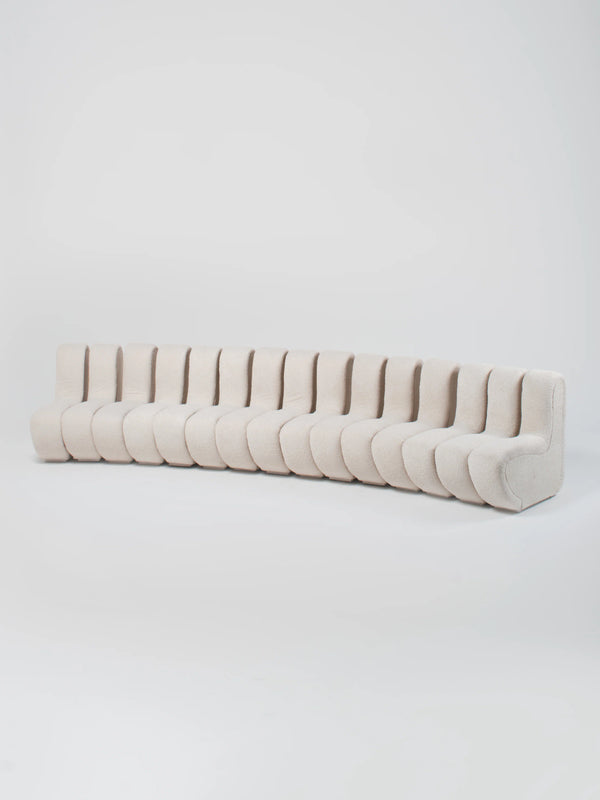
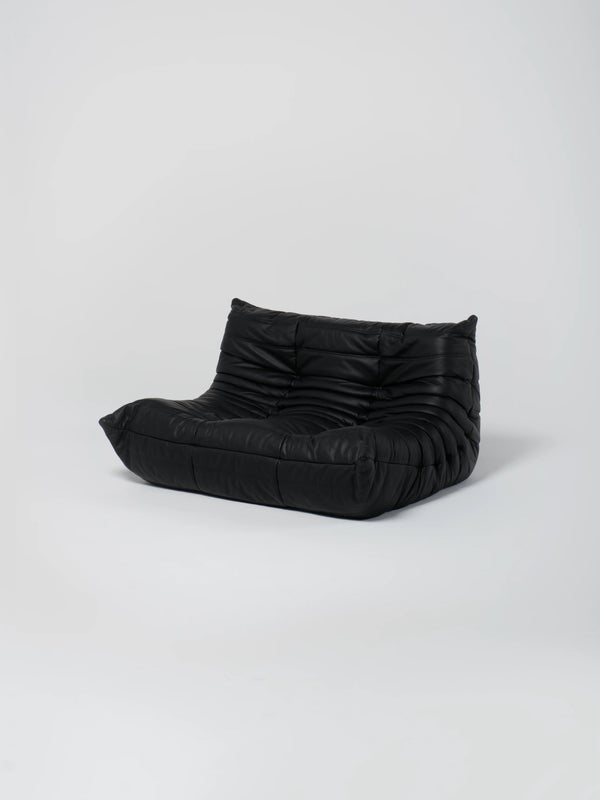
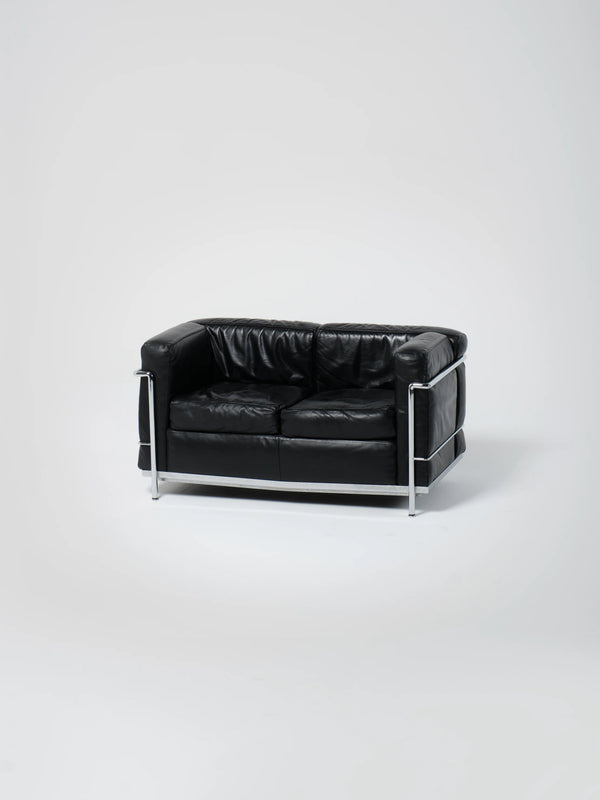
Lounge seating
Welcomes buyers and hosts longer conversations
How do you plan garment rails for a fashion booth?
Start from the collection, not the floor plan. Count your SKUs, group them into stories, colours or deliveries, and give each group its own rail. Buyers read a rail as one idea, so a rail that mixes stories is harder to follow.
Leave space between hangers, so every piece reads on its own. An overloaded rail looks like stock; a well-spaced one looks like a collection. Keep one rail, or one end of a rail, for your hero pieces, where buyers look first as they walk in.
Choose the rail to suit the garments. Long dresses and coats need a taller rail than shirting and knitwear, and heavy outerwear needs a rail sturdy enough to hold it without bowing. Freestanding rails can also divide the booth, for example between the collection and the appointment area.

How should you display accessories and footwear?
Accessories, footwear and bags get lost on a rail or a crowded table. Give them their own displays, at heights where buyers can see the detail without bending down.
- Cubes and plinths turn a few hero pieces into a display. Group them at different heights so each product has its own level. Mirrored cubes also bounce light onto the product, as our guide to mirrored cubes explains.
- Modular shelving such as USM Haller or Panton Wire holds a fuller range: shoes in a row, folded knitwear, small leather goods.
Keep the smallest pieces, such as jewellery and eyewear, closest to eye level, and larger ones such as bags and shoes lower down.

From our rental line:
- Panton Wire by Verner Panton: open black wire units that stack into displays at different heights, so the product is the first thing buyers see.
- USM Haller: modular shelving, including black, with panels and doors for closed storage.
- NOVU shelving: open black shelving that gives bags and shoes room to breathe.
- Mirrored cubes: made to measure by NOVU, in the heights your products need.

What seating does a fashion booth need?
Most booths need two kinds of seating, because buyers do two different things there.
- Appointment seating is where the work happens: a table large enough for line sheets, a laptop and samples, with chairs for your team and the buyers. Plan it around your typical appointment, often two to four people.
- Lounge seating is where the brand is felt. A sofa or a pair of armchairs welcomes buyers who arrive early, hosts longer conversations and shows at a glance what kind of brand you are.
In a small booth, one table often does both jobs, and a single statement chair can carry the brand. In a larger booth, separating the two lets one appointment run while another buyer waits in comfort.
Lounge pieces set the tone more than anything else in the booth: deep leather sofas read as a private club, a sculptural armchair as a gallery.

How does furnishing change between small and large booths?
The same pieces work in every booth. What changes is how many jobs each one has to do.
| Small | Large | |
|---|---|---|
| Priority | Show the collection clearly in little space | Create zones buyers can move between |
| Rails | Along the walls, keeping the centre open | Freestanding rails that divide the space into stories |
| Displays | A few cubes or one shelving unit for hero accessories | A dedicated display area or installation for accessories |
| Seating | One table for appointments and welcome | A separate appointment table and lounge |
| Watch out for | Overfilling: every extra piece takes floor that buyers need | Emptiness: an under-furnished booth looks unfinished |
In a small booth, start with the rails and one table, then add display pieces only where they earn their space. Open, light pieces in wire, glass or mirror keep a small booth from feeling crowded.
In a large booth, plan the zones first: arrival, collection, appointments and lounge. Then furnish each one. A larger booth also has room for one statement piece, a sculptural display or a lounge set, that buyers remember after the fair.

How does furniture rental for a trade show booth work?
Renting takes the furniture off your team's hands: nothing to buy, store or ship between fairs. With NOVU, it runs in five steps.
- Share your brief. Your booth floor plan and dimensions, your SKUs and range (ready-to-wear, accessories or both), your brand identity and any references.
- Choose your level of support. A fully bespoke booth, spatial design with our rental line, or the rental line on its own.
- Approve the budget and layout. With spatial design, you receive 2D floorplans and 3D visualisations to sign off.
- Delivery and installation. We deliver to your booth before the fair opens, and with spatial design we handle the build-up.
- Build-down. After the fair, we take the furniture down and collect it.
Before you order, check three things with the organiser: your booth's exact dimensions and wall height, what the booth already includes (walls, flooring, lighting and power), and any rules on materials or installation times.
Book as early as you can. Before major fairs, build slots fill up; at CIFF, for example, NOVU allocates them by sign-up date. See how we work at CIFF.
FAQ
Is it better to rent or buy furniture for a trade show booth?
For most brands, renting. You avoid storage and shipping between fairs, and you can change the look each season to suit the collection. Buying can make sense for a signature piece you use at every fair, and NOVU can also make that piece bespoke.
How many garment rails does a fashion booth need?
It depends on your collection more than your booth size. Group your SKUs into stories, colours or deliveries, plan one rail per group, and leave space between hangers so each piece reads.
What furniture is essential for a small booth?
Garment rails along the walls, one table with chairs for appointments, and a few display pieces for hero accessories. Add lounge seating only if the floor allows it.
How far in advance should I book furniture rental for a trade show?
As early as possible. For spatial design at CIFF, NOVU asks exhibitors to reach out about three months before the fair.
Does NOVU design the booth too?
Yes, if you want it to. Spatial design with our rental line includes 2D floorplans and 3D visualisations, and NOVU also produces fully bespoke booths.
Where does NOVU rent furniture?
In the US for rental and retail projects, and across Europe, with offices in New York and Paris.